Perceptions on Investing in Agroecological Enterprises
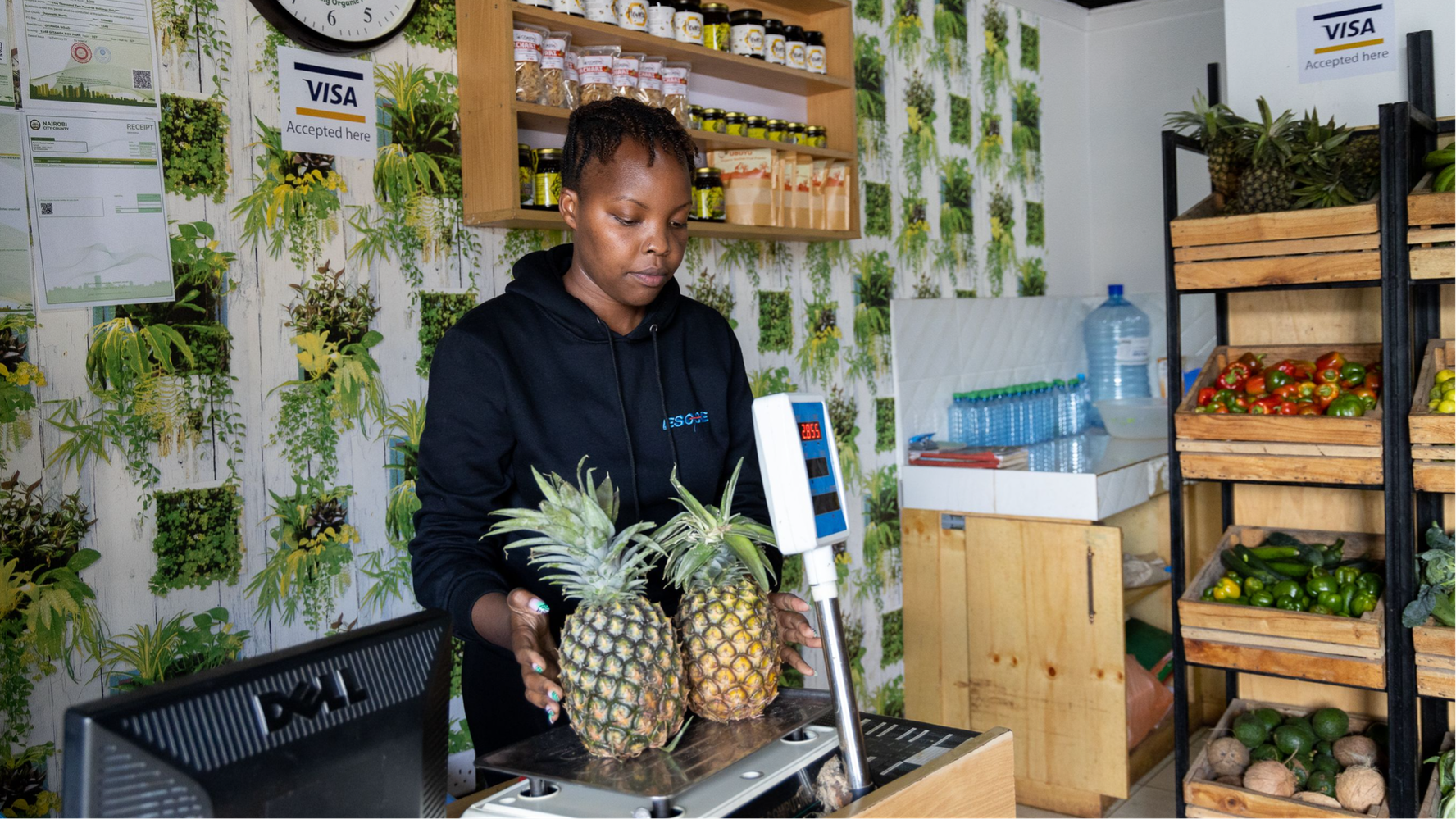
Biovision Foundation seeks to continuously learn as an organization and to improve its programmes accordingly, including in the realm of agriculture and food systems policies and governance. As a basis for continuous monitoring and learning of its policy and advocacy programme, Biovision has mandated Impaxio, an independent research company, to conduct this follow-up study.
Here we present the main results of a follow-up study on perceptions on investing in agroecological enterprises (AEE), which combined quantitative (survey) and qualitative approaches (deep-dive interviews), as well as an internal debriefing and learning workshop with the Biovision team.
Executive Summary
Key Insights
This summary captures the most significant findings from our qualitative and quantitative analysis through surveys, expert interviews and an internal learning workshop.
- Limited Capacity as the Top Investment Barrier: Weak managerial skills and accounting practices restrict enterprise investment readiness.
The newly introduced category of “limited capacity of enterprises” emerged as the top barrier to increased investment in the 2025 survey. Experts highlight that improved managerial skills, more rigorous accounting practices and a deeper understanding of governance issues could help entrepreneurs in reducing operational, and hence, financial risks of agroecological businesses. Improved skills would also be essential for enhanced "financial integrity" of the enterprises, required for investor due diligence and further ease effective communication between entrepreneurs and financial institutions during the investment phase. The latter is deemed important by some experts to effectively manage risks, and hence lower the cost of capital. While technical assistance is warranted to address these gaps, experts note that it needs to be more hands-on, continuous, and focused on "investment readiness" to be effective. - High Fragmented Search Costs: Lack of clear sector labeling obscure a visible pipeline from investors.
The difficulty of finding suitable investment opportunities remains a persistent constraint. Investors report that identifying "investment-ready" enterprises is time-consuming and therefore costly. Participants in the interviews mention that the investment ecosystem in agroecological businesses is still young and comparatively less developed than broader sustainability markets, resulting in networks that are specialized but lack the necessary scale (networks are deep within niches but lack the horizontal reach). This fragmentation underscores the essential role of “catalyst” actors, such as NGOs, in connecting disparate networks and de-risking the pipeline. Experts also advocate for a more seamless integration of investors across the entire company lifecycle - moving fluidly from early-stage seed funding to expansion capital. Notably, in the (East-) African context, many high-potential companies do not label themselves as “agroecological”, further obscuring them from specialized investors. - Missing Systematic Impact Data: While social and environmental benefits are proven, systematic tracking is missing and economic prospects less clear.
Environmental and social impacts remain the primary driver for sector engagement and AEE is generally recognized as a "proven concept” there. Despite high conceptual buy-in, systematic tracking is largely missing. While ecological and social benefits are widely accepted, the concrete economic prospects and livelihood impacts are far less documented and clear to financiers. - Deterioration of the Risk-Return Profile: Falling returns and rising risks are a top barrier to investment.
The risk-return profile has significantly worsened, becoming a main barrier to investment as expected returns fell to market levels and risks rose. This shift reflects real-world investor experiences and macroeconomic pressures rather than mere perception, with event participation boosting impact awareness but not financial expectations. While direct instruments like first-loss tranches can help, the workshop emphasized that this profile can also be improved indirectly by tackling root operational challenges - such as weak management capacity, complex screening, and enterprise overload - to mitigate financial risk at the source. - Mismatch of financial instrument: While financial instruments diversified beyond technical assistance, better alignment with agroecology and investor requirements is needed.
The survey results show that the types of support provided have evolved. While technical assistance and grants remain common, there has been a notable increase in the use of blended finance and credit. Interviewed experts emphasize the need for an increase of instruments that better align with agroecological transitions and the inherent business model, such as long-term debt or convertible notes. Traditional bank loans are often unsuitable due to rigid collateral requirements and high interest rates. Experts see potential for technical assistance to be better aligned with the requirements of financing institutions. - Sustained growth of financial support for agroecology
Survey participants report that their institutions’ financial support for agroecology is growing at a faster rate than their support for conventional agriculture. This trend is particularly strong among institutions that identify as having a "balanced" orientation - those considering financial returns as important as social and/or environmental impact. As discussed during the workshop, a question remains how financial support for AEE is evolving among actors further away from Biovision’s network. - Increased event reach: Higher participation from private philanthropies and private sector at Biovision events.
Respondent’s participation in agroecology events increased between the 2023 and 2025 survey waves. Virtual events and web resources are the most utilized. Engagement rose sharply among private philanthropies and the private sector, while remaining high for NGOs and farmer networks. The interviews suggest that since Agroecology is not yet a mainstream investment keyword, these platforms serve as vital "visibility tools”. They help investors find and screen a pipeline that is otherwise difficult to identify.
Options for Action to Address Barriers
Based on the synthesis of the survey data and expert interviews, and the strategic pathways mapped out by the team during the workshop, the following main recommendations emerged:
- Transition to Long-Term Operational Mentorship
Biovision should direct its technical assistance (TA) towards funding flexible, long-term, hands-on mentorship lines that embed financial and managerial experts directly within high-potential enterprises. The primary goal and metric of success for this TA should be the achievement of "investment readiness" and verifiable financial integrity required to ease communication with financiers and pass due diligence. - Establish a Centralized Pipeline Assessment & Visibility Framework
To lower the high transaction and search costs, Biovision should leverage its network position to build a centralized database and pre-qualification screening tool. By integrating tools like the B-ACT and minimum impact metrics, Biovision can act as an ecosystem facilitator. This could include organizing targeted, sector-specific digital deal rooms and matchmaking webinars to bring pre-qualified targets directly to impact investors. - Formalize the Ecosystem "Tiered System" and Life-Cycle Handover
Biovision should lead the creation of a coordinated, cross-sector capital pipeline. This requires working in a tiered system with other ecosystem facilitators and bodies to establish clear lifecycle handovers. By pairing early-stage seed instruments (such as Neycha) fluidly with expansion and growth capital providers, Biovision can ensure that high-potential enterprises do not fall into the financing "missing middle". - Streamline and Standardize Impact Measurement Frameworks
To address the challenge of tracking systemic returns and verifying the Theory of Change, Biovision should develop a lean, standardized impact toolkit. This includes defining a core set of shared minimum impact metrics and "basket indicators" that capture both social and ecological benefits, such as climate resilience, as well as economic and livelihood outcomes. Crucially, these frameworks should result in clear, showcaseable impact data while avoiding operational data-collection overload for the enterprises.
Image credit: Biovision